Platform comparison
| Platform | YES odds | NO odds | Fee | KYC | Settlement | |
|---|---|---|---|---|---|---|
Polymarket (via Polymarket Qué Es) Pick polygram.ink (preferred broker) |
100% | 0% | 0% (USDC on-chain) | No-KYC up to $1,500 | USDC, auto via UMA oracle | See live odds → |
Polymarket (direct) polymarket.com |
100% | 0% | 0% | Geo-blocked in US/UK/EU | USDC, on-chain | See live odds → |
Kalshi kalshi.com |
— | — | Up to 7% per trade | US-only, KYC required | USD | See live odds → |
Betfair Exchange betfair.com |
— | — | 2-5% commission | Full KYC from first trade | GBP / EUR | See live odds → |
Manifold Markets manifold.markets |
— | — | Play-money (mana) | None — play-money | Mana (no cash-out) | See live odds → |
Outcome probabilities
Current market-implied probability for each outcome, from the live order book.
| Outcome | Probability |
|---|---|
| 3+ | 100% |
| <1 | 0% |
| 1 | 0% |
| 2 | 0% |
Market context
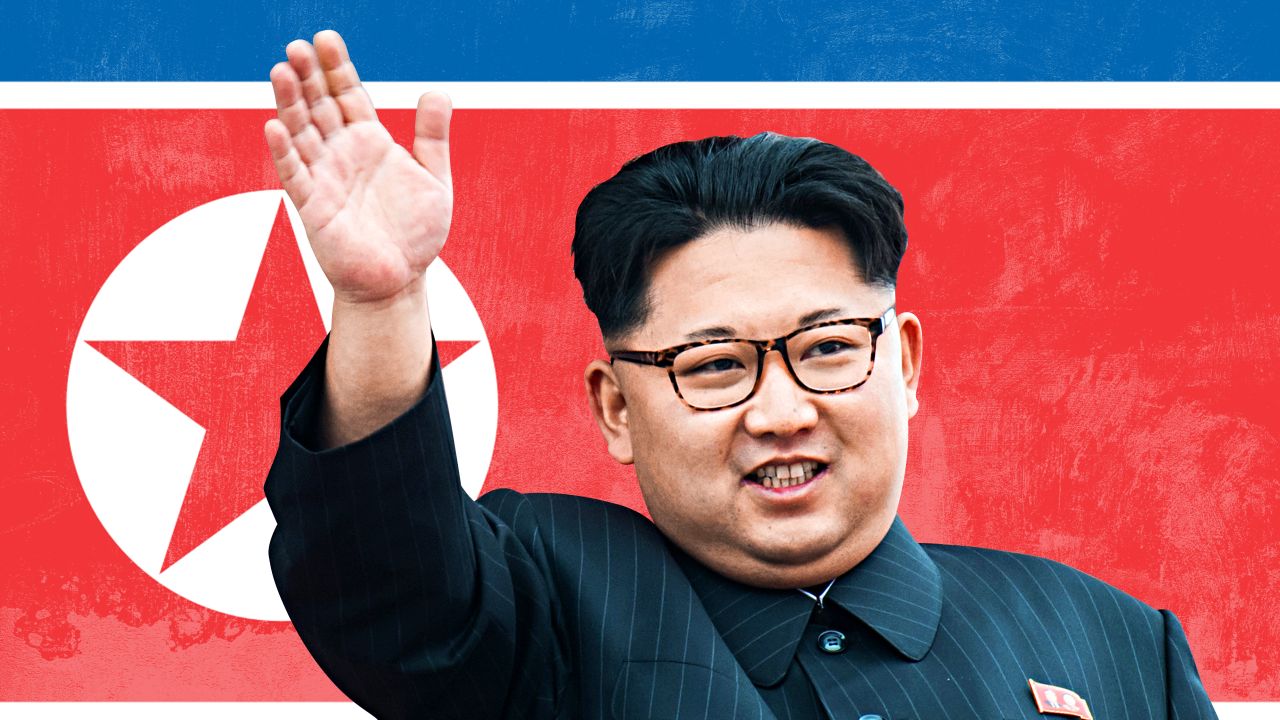
North Korea's missile testing cadence remains volatile and difficult to predict with precision. The current Polymarket pricing—showing 0% implied probability that any missile tests will occur during August 2026—reflects either extreme confidence in a testing pause or deep uncertainty about whether traders believe the event will materialise at all. On-chain liquidity and USDC settlement mechanics mean positions can be entered or exited throughout the month, though conditional token structures lock in outcomes only once the resolution window closes on 31 August 2026.
Historical patterns suggest caution about dismissing North Korean testing entirely. Between 2022 and 2024, Pyongyang conducted missile launches in most months, including multiple tests within single calendar days. The 2023 period saw particularly elevated activity, with tests recorded across January, March, April, May, July, September, October, and November. Even during apparent diplomatic windows or periods of reduced international tension, the regime has maintained test schedules tied to internal military calendars and leadership anniversaries rather than external political cycles.
Traders monitoring this contract should track announcements from South Korean defence officials and statements from the UN Security Council regarding sanctions enforcement, as these often precede or follow test activity. Recent reporting from Reuters and NK News has documented Pyongyang's focus on solid-fuel missile development and hypersonic systems, suggesting technical motivations for continued testing independent of seasonal patterns. The absence of scheduled major international events or diplomatic summits in August 2026 removes one potential suppressing factor, though the regime's testing rhythm ultimately depends on internal programme timelines rather than external calendars.
Methodology
This page reviews Pronóstico: Number of North Korea Missile Tests in August 2026? across five venues. The live probability is the Polymarket mid-price, sourced directly from the on-chain Polygon order book; the comparison columns benchmark each venue on fee structure, KYC, settlement currency and payment rails. Every CTA routes to Polymarket Qué Es, which mirrors the Polymarket order book at 0% fees.
Resolution & payout
Settlement runs on-chain. Polymarket's contract logic separates YES and NO shares as conditional tokens; at resolution the winning share lifts to $1.00 and the losing one to $0. The outcome input comes from the UMA Optimistic Oracle, which secures against bad resolution with a bond + dispute window.
Once finalised, the smart contract pays USDC to the holders' wallets within minutes — no withdrawal fees beyond Polygon network gas. Kalshi settles in USD via CFTC clearance, Betfair in account currency net of commission, Manifold in play-money mana with no cash-out.
FAQ
- How does resolution work?
- Through the UMA Optimistic Oracle on Polygon: a proposer submits the outcome, a two-hour challenge window opens, and USDC payouts settle automatically once the result is final.
- What's the difference between YES and NO shares?
- A YES share pays $1.00 if the event happens, $0 otherwise. A NO share pays $1.00 if the event doesn't happen. The market price between 0¢ and 100¢ is the implied probability.
- What does Polymarket cost to trade?
- Polymarket itself charges 0% — the only cost is the Polygon network fee, typically under $0.01 per transaction. Off-chain venues like Kalshi or Betfair charge 2-7% commission.
- Do I need to KYC for this market?
- On Polymarket directly, no — it's wallet-based. Intermediary brokers like Polymarket Qué Es trigger KYC only above $1,500 of lifetime trading volume; under that you trade pseudonymously with a single wallet address.
- How reliable are the quoted odds?
- The YES/NO percentages are the live mid-prices of the Polymarket order book. On deep markets they move every few seconds; on thinner ones you'll see short plateaus.
%22%2F%3E%3Cpath%20d%3D%22M%206%2066%20A%2026%2026%200%200%201%2058%2066%22%20fill%3D%22%23E6B98D%22%20opacity%3D%220.9%22%2F%3E%3Ccircle%20cx%3D%2232%22%20cy%3D%2226%22%20r%3D%2222%22%20fill%3D%22%23F5CBA7%22%2F%3E%3Cpolygon%20points%3D%2216%2C18%2020%2C4%2024%2C18%22%20fill%3D%22%2354a9eb%22%2F%3E%3Cpolygon%20points%3D%2224%2C18%2028%2C3%2032%2C18%22%20fill%3D%22%2354a9eb%22%2F%3E%3Cpolygon%20points%3D%2232%2C18%2036%2C3%2040%2C18%22%20fill%3D%22%2354a9eb%22%2F%3E%3Cpolygon%20points%3D%2240%2C18%2044%2C4%2048%2C18%22%20fill%3D%22%2354a9eb%22%2F%3E%3C%2Fsvg%3E) and
and%22%2F%3E%3Cpath%20d%3D%22M%206%2066%20A%2026%2026%200%200%201%2058%2066%22%20fill%3D%22%23E6B98D%22%20opacity%3D%220.9%22%2F%3E%3Ccircle%20cx%3D%2232%22%20cy%3D%2226%22%20r%3D%2222%22%20fill%3D%22%23F5CBA7%22%2F%3E%3Cpolygon%20points%3D%2216%2C18%2020%2C4%2024%2C18%22%20fill%3D%22%2354a9eb%22%2F%3E%3Cpolygon%20points%3D%2224%2C18%2028%2C3%2032%2C18%22%20fill%3D%22%2354a9eb%22%2F%3E%3Cpolygon%20points%3D%2232%2C18%2036%2C3%2040%2C18%22%20fill%3D%22%2354a9eb%22%2F%3E%3Cpolygon%20points%3D%2240%2C18%2044%2C4%2048%2C18%22%20fill%3D%22%2354a9eb%22%2F%3E%3C%2Fsvg%3E)
Trade Pronóstico: Number of North Korea Missile Tests in A… on Polymarket Qué Es
Live order book, 0% fees, USDC settlement in seconds.
Open live market →